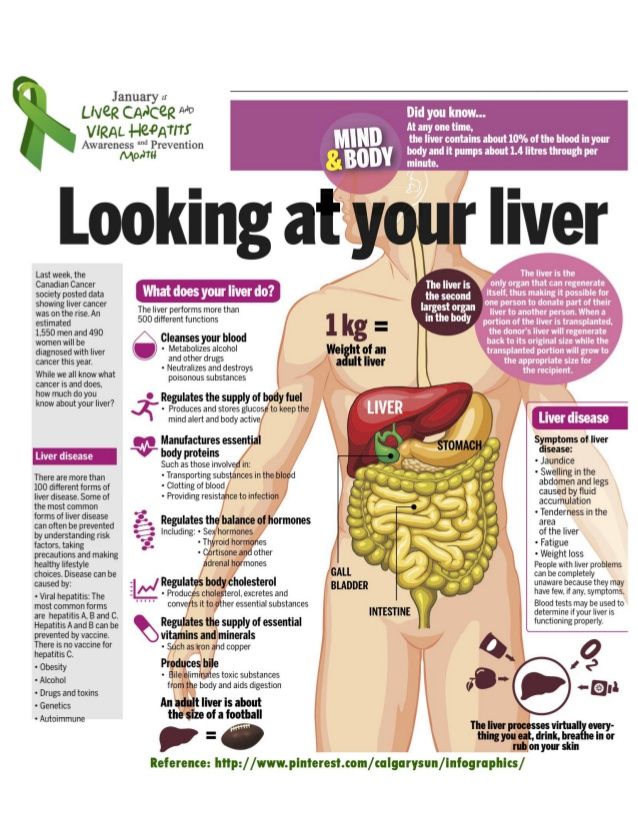
Your liver works continuously to process nutrients, break down substances the body no longer needs, produce bile, store energy and help keep blood sugar and cholesterol balanced.
The liver is extremely resilient, but certain lifestyle and health factors can make its workload heavier.
1. Too Much Alcohol
Alcohol is processed mainly by the liver.
Drinking regularly or drinking larger amounts at one time can increase the liver’s workload and may contribute to:
- Fat accumulation in the liver
- Inflammation
- Raised GGT
- Liver-cell damage over time
Giving the liver regular alcohol-free days can be helpful.
If someone has abnormal liver blood results or known liver disease, they should discuss alcohol intake with their doctor.
2. Too Much Sugar and Refined Carbohydrate
The liver helps manage the energy we get from food.
When we regularly take in more sugar and refined carbohydrate than the body needs, some of that excess energy can be converted into fat.
Over time, fat can build up inside the liver.
Foods to keep an eye on include:
- Sugary drinks
- Sweets and chocolate
- Cakes and biscuits
- Pastries
- Large amounts of white bread
- Highly refined breakfast cereals
- Frequent desserts
- Large portions of highly processed foods
This does not mean that all carbohydrates are bad.
Whole foods such as vegetables, fruit, beans, lentils, potatoes and whole grains can provide fibre and nutrients that support overall health.
3. Carrying Extra Weight Around the Middle
Fat stored around the abdomen is closely linked with metabolic health.
People who carry more weight around the middle may also be more likely to develop:
- Insulin resistance
- Raised blood sugar
- High triglycerides
- Fat accumulation in the liver
This is one reason that waist measurement can sometimes give useful information alongside body weight.
The goal does not have to be rapid weight loss.
Even gradual improvements in food quality, activity levels and meal patterns can support metabolic and liver health.
4. Insulin Resistance and Raised Blood Sugar
Insulin helps move glucose from the bloodstream into our cells.
When the body becomes less responsive to insulin, the pancreas has to produce more of it.
This is known as insulin resistance.
Insulin resistance is strongly linked with fatty liver and can occur before someone develops diabetes.
Helpful blood tests may include:
- Fasting glucose
- HbA1c
- Triglycerides
- Cholesterol
Regular movement, balanced meals, adequate protein and fibre, and reducing excessive sugar intake can all support healthier blood sugar control.
5. Highly Processed Foods
A diet containing lots of highly processed foods can make it easier to consume excess:
- Sugar
- Refined carbohydrate
- Salt
- Saturated fat
- Calories
These foods may gradually replace the vegetables, fruit, fibre, protein and healthy fats that the body needs.
Rather than aiming for a perfect diet, try to make whole and minimally processed foods the foundation of most meals.
6. Certain Medications
The liver helps process many medicines.
Some medications can affect liver enzymes or require liver monitoring.
This does not mean that the medication is harmful or should be stopped.
If liver blood tests become abnormal, the doctor may review:
- Prescription medicines
- Over-the-counter medicines
- Painkillers
- Herbal remedies
- Vitamins and supplements
Never stop prescribed medication because of a liver blood result without speaking to your doctor or pharmacist first.
7. Supplements and Herbal Products
Natural does not automatically mean harmless.
Some herbal products and high-dose supplements can place pressure on the liver or interact with medications.
Tell your GP or pharmacist about everything you are taking, including:
- Vitamins
- Minerals
- Herbal remedies
- Sports supplements
- Protein or performance products
- Detox products
Be particularly cautious about products promising to “cleanse” or “detox” the liver very quickly.
Your liver already carries out the body’s natural processing and elimination work.
Our job is to support it rather than overwhelm it.
8. Lack of Physical Activity
Regular movement helps improve:
- Blood sugar control
- Insulin sensitivity
- Triglycerides
- Weight management
- Circulation
- Muscle health
You do not have to spend hours in the gym.
Walking, gardening, cycling, swimming, resistance exercises and regular movement throughout the day all count.
A useful goal is simply to move more often and sit for shorter periods.
9. Poor Sleep and Long-Term Stress
Sleep and stress may not seem directly connected with the liver, but they can influence metabolism, appetite and blood sugar regulation.
Poor sleep can make people:
- Hungrier
- More likely to crave sugary foods
- Less active
- Less sensitive to insulin
Stress can also influence food choices, sleep, digestion and alcohol intake.
Supporting liver health therefore means looking at the whole person, not just the food on the plate.
Simple Ways to Support Your Liver
Start with the basics:
- Eat plenty of vegetables
- Include good-quality protein with meals
- Eat fibre-rich foods regularly
- Choose olive oil, nuts, seeds and oily fish
- Reduce excess sugar and ultra-processed foods
- Keep alcohol within recommended limits or reduce it further if advised
- Drink enough water
- Move your body every day
- Work towards a healthy waist measurement
- Support good blood sugar control
- Aim for regular sleep
- Review medicines and supplements with your healthcare professional when appropriate
Remember
Supporting your liver does not require an extreme cleanse, juice fast or complicated detox programme.
For most people, liver health is supported by doing the simple things consistently:
Eat well. Move regularly. Sleep well. Limit alcohol. Support healthy blood sugar. Avoid unnecessary supplements.
Small changes made regularly can make a meaningful difference over time.
This information is for education and does not replace individual medical advice, diagnosis or treatment.