
Nourish Your Liver
Your liver does not need a harsh detox or cleanse.
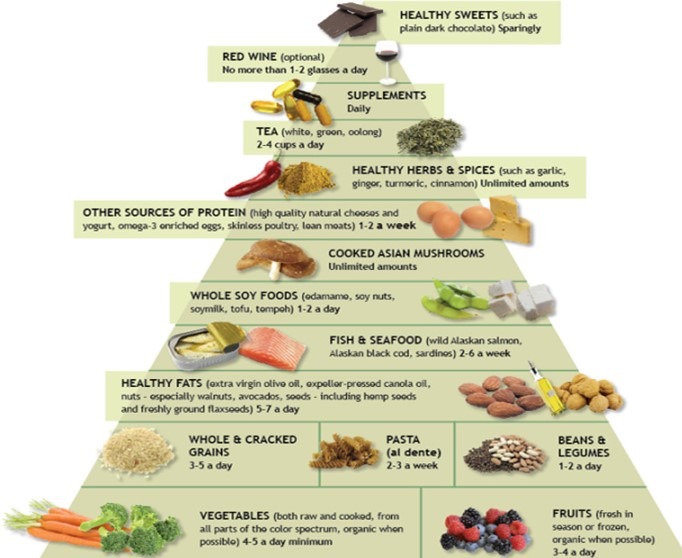
What it needs most is a steady supply of nutrients, fibre, protein, healthy fats and plant foods, while reducing the things that can place extra pressure on it.
Think of nourishing your liver as creating the right environment for it to do its job well.
Build Your Plate Around Whole Foods
A simple liver-friendly plate could contain:
Half the plate vegetables or salad
A quarter good-quality protein
A quarter wholegrain, potato or another fibre-rich carbohydrate
A small amount of healthy fat
The aim is not perfection.
It is about making nourishing foods the foundation of your meals most of the time.
1. Eat Plenty of Vegetables
Vegetables provide fibre, vitamins, minerals and protective plant compounds.
Aim for a variety of colours across the week.
Good choices include:
Broccoli
Cauliflower
Cabbage
Brussels sprouts
Kale
Spinach
Carrots
Beetroot
Peppers
Courgettes
Green beans
Onions and garlic

Why Include Cruciferous Vegetables?
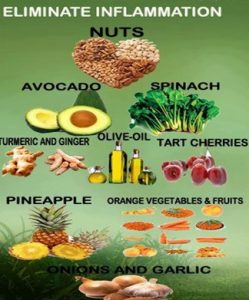
Broccoli, cabbage, cauliflower, kale and Brussels sprouts belong to the cruciferous vegetable family.
They contain natural plant compounds that support the enzymes the liver uses when processing substances in the body.
There is no need to eat huge quantities.
Including a serving several times during the week is a simple way to add variety and nutrients.
2. Include Enough Protein
The liver needs amino acids from protein to carry out many of its normal functions.
Protein can also help keep us fuller for longer and support steadier blood sugar.
Useful sources include:
Eggs
Fish
Chicken
Turkey
Lean meat
Beans
Lentils
Chickpeas
Tofu
Natural yoghurt, if tolerated
Nuts and seeds
Try to include some protein at each main meal.
Think Beyond Meat
Including beans and lentils regularly can provide both protein and fibre.
For example:
Lentil soup
Chickpeas added to a salad
Bean chilli
Lentils added to stews
Hummus with vegetables
3. Increase Fibre Gradually
Fibre supports the digestive system and helps the body remove waste products through the bowel.
It can also help with:
Cholesterol
Blood sugar regulation
Feeling fuller after meals
Bowel regularity
Supporting a healthy gut microbiome
Fibre-rich foods include:
Vegetables
Fruit
Beans and lentils
Nuts and seeds
Oats
Whole grains
Potatoes with their skins
If your current diet is low in fibre, increase it gradually and drink enough water.
Increasing fibre very quickly can sometimes increase bloating and wind.
4. Choose Healthy Fats
Fat is not automatically bad for the liver.
The type of fat matters.
Foods rich in unsaturated fats include:
Extra virgin olive oil
Avocado
Nuts
Seeds
Oily fish
Oily fish such as:
Salmon
Sardines
Mackerel
Trout
provide omega-3 fats as well as protein.
Try using olive oil instead of relying heavily on butter, deep-fried foods or heavily processed fats.
5. Eat More Omega-3 Rich Foods
Omega-3 fats support heart and metabolic health and may be particularly useful as part of an overall healthy eating pattern.
Aim to include oily fish regularly if you enjoy it.
Plant sources include:
Walnuts
Chia seeds
Flaxseed
Hemp seeds
Ground flaxseed can easily be added to:
Porridge
Yoghurt
Smoothies
Soups
Homemade muffins
6. Enjoy Fruit – But Choose Whole Fruit More Often
Whole fruit provides fibre, vitamins and protective plant compounds.
Good choices include:
Berries
Apples
Pears
Kiwi
Oranges
Plums
Berries are particularly rich in colourful plant compounds called polyphenols.
Whole fruit is generally a better everyday choice than fruit juice because the fibre helps slow the release of natural sugars.
7. Reduce Sugary Drinks
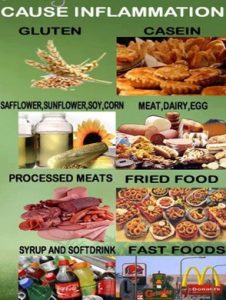
Sugary drinks can provide a large amount of sugar very quickly without making us feel full.
This includes:
Fizzy drinks
Energy drinks
Sweetened iced teas
Large amounts of fruit juice
Sweetened coffees
Some flavoured waters
Better everyday choices include:
Water
Sparkling water
Herbal teas
Tea or coffee without excessive sugar
Water flavoured with lemon, lime, cucumber or mint
8. Coffee May Be a Liver-Friendly Drink
For many adults, moderate coffee intake has been associated with better liver health.
That does not mean everyone needs to start drinking coffee.
Coffee may not suit people who experience:
Reflux
Anxiety
Palpitations
Poor sleep
Caffeine sensitivity
And adding large amounts of sugar, cream or flavoured syrup can quickly change the nutritional picture.
If coffee suits you, enjoy it as part of your normal diet rather than treating it as a liver remedy.
9. Keep Hydrated
The body needs adequate fluid for normal circulation, digestion and waste removal.
Water requirements vary depending on:
Body size
Exercise
Weather
Pregnancy
Medications
Health conditions
Rather than becoming obsessed with a particular number of litres, check your normal habits.
Ask yourself:
Am I drinking regularly throughout the day, or am I getting to late afternoon before realising I have hardly had anything?
Keep a bottle or glass of water somewhere visible as a simple reminder.
10. Herbs, Spices and Flavour
Healthy food does not have to be bland.
Use herbs, spices, garlic and citrus to add flavour.
Try:
Turmeric
Ginger
Garlic
Parsley
Coriander
Rosemary
Thyme
Cinnamon
Lemon
Lime
These foods contain useful plant compounds, but there is no need to take very concentrated amounts in supplement form simply because they are described as “detoxifying”.
Food first is usually the gentler approach.
A Simple Liver-Friendly Day
Breakfast
Porridge topped with berries, ground flaxseed and walnuts
or
Eggs with spinach, tomato and a slice of wholegrain toast
Lunch
Vegetable and lentil soup with a side salad
or
Salmon salad with mixed leaves, beetroot, cucumber, seeds and olive oil
Snack
Apple with a small handful of nuts
or
Natural yoghurt with berries, if tolerated
Dinner
Chicken, fish, beans or lentils
with
Plenty of vegetables
and
A serving of potato, brown rice or another whole-food carbohydrate
Evening
Herbal tea or water rather than automatically reaching for alcohol or sugary snacks.
Think About What You Add – Not Just What You Remove
Healthy eating can become overwhelming if we only focus on foods we think we should avoid.
Instead, ask:
What could I add today?
Perhaps:
One extra vegetable
A handful of berries
A spoonful of seeds
A portion of oily fish
A bean-based meal
An extra glass of water
A short walk after dinner
Small additions can graduall
